Beyond The Bind
Latest News
|Beyond The Bind
Latest News

Subscribe

Why Great Books Get Ignored — and What a 19th-Century Bartender Did About It

|

Beyond The Bind

Archives

Why Great Books Get Ignored — and What a 19th-Century Bartender Did About It

SIGN UP FOR OUR NEWSLETTER

Why Great Books Get Ignored — and What a 19th-Century Bartender Did About It

Your book might be brilliant — but brilliance without proof is invisible.

Your book might be brilliant — but brilliance without proof is invisible.


“When James Ritty built a machine to stop theft, he accidentally explained why good books go unnoticed.”


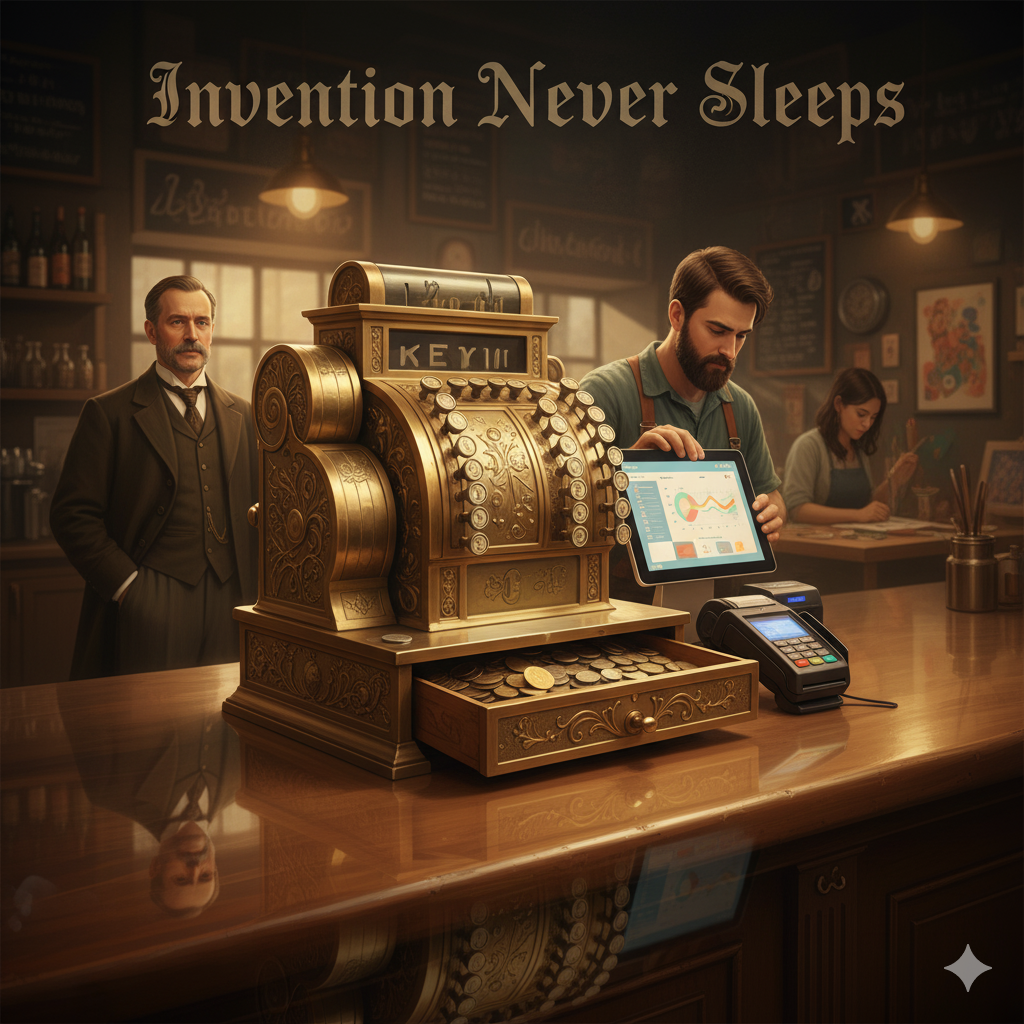
In 1879, a bartender named James Ritty had a problem:
His money kept disappearing.


Ritty ran a saloon in Dayton, Ohio — busy, loud, profitable. But every night, the numbers didn’t add up. His bartenders weren’t always stealing, but they also weren’t always careful. There was no record. No evidence. No way to tell what had actually happened behind the bar.


So Ritty did something radical: He built a machine.


It had keys, gears, and a bell. Every sale was punched in. Every dollar was counted. And every bartender knew it.


It was called the “Incorruptible Cashier.” We now call it the cash register. But what it really created was something more powerful:


Proof.

The hidden reason your book isn’t selling?


Lack of proof — not quality.

Authors pour their soul into the writing. They get compliments from early readers. They polish the cover, edit the chapters, maybe even run a small ad.


But sales stay flat.


That’s because in 2025, quality alone isn’t visible.


What’s visible is signals of trust: reviews, traffic, mentions, citations, media.


Machines — and people — look for proof of credibility before they engage.


Your book may be good. But if there’s no register ringing? It doesn’t count. Your “cash register” moments as an author. 


Just like Ritty had to install a system that made transactions visible, you need systems that make your value visible.


That means:

  • Reviews on Amazon, BookBub, or Goodreads

  • Mentions in articles, podcasts, or media

  • People talking about your book in their own words

  • A website that shows you’re real — not a ghost

  • Answer Engine Optimization (AEO) — so AI platforms surface your name when people search


These aren’t vanity metrics.


They’re receipts.


And in an AI-first world, if you don’t leave a trail, you don’t exist.


“The register didn’t just count money — it created trust.”


Why “people liking your book” isn’t enough


Private compliments are warm, but they don’t sell books.


What sells is public proof.


When someone visits your book page, Google profile, or link in bio, they’re not wondering, “Is this book good?”


They’re wondering:

  • Who else trusts this person?

  • Has anyone else said yes?

  • Can I see the ring of the register before I commit?


If they don’t see it, they bounce.


And no, that doesn’t mean you’re bad. It just means you’re invisible.

The big shift: From compliments to credibility


Your goal now isn’t just to be liked — it’s to be cited.

James Ritty didn’t invent a better drink. He invented a better record.
That’s what gave his bar (and his cash) real power.


Authors must do the same. Not by becoming influencers, but by becoming provable:

  • Collect screenshots of feedback and publish them

  • Ask readers for one-sentence testimonials

  • Get your ideas quoted by others (even in small communities)

  • Teach your content in public — not just in your book


FAQ


What makes a book “visible” in 2025?
Answer engines, search platforms, and even chatbots surface books that are connected to external proof: reviews, backlinks, citations, and structured data. Without these, your book may not show up at all.


What is “Answer Engine Optimization”?
It’s the practice of structuring your content, metadata, and presence so that AI engines (like ChatGPT, Gemini, and Claude) can find and cite you as an answer. Think SEO — but for AI.


Do I need a website to look credible?
Yes. Even a single-page site with your book, reviews, and 1–2 testimonials creates a digital “register” of your legitimacy.


How do I get more reviews?
Start by asking 5 trusted readers to leave honest, specific feedback on Amazon or Goodreads. You can also include a request at the end of your book.


What does “proof” mean for an author?
It means evidence that you exist, are trusted, and deliver what you promise. Reviews, quotes, mentions, shares — they’re all modern cash register rings.


What if I hate marketing?
You don’t need to shout. You just need to show your receipts. Quiet proof still builds loud trust.


Closing Reflection


James Ritty didn’t write a better bar manual. He didn’t train his bartenders harder. He created something visible. Something provable. Something that said:


“This happened. You can trust it.”


Authors don’t need to hustle more.


They need to make the invisible ring.

Sources:

1. “James Ritty and the Invention of the Cash Register.” Dayton Metro Library, 2021 – https://daytonvistas.com/james-ritty-invention-of-cash-register/

2. “Why Reviews Are Crucial for Book Sales.” Kindlepreneur, 2023 – https://kindlepreneur.com/how-to-get-book-reviews-with-no-blog-no-list-and-no-begging/

3. “How Search Engines Evaluate Trust in Content.” Search Engine Journal, 2024 – https://www.searchenginejournal.com/google-e-e-a-t-how-to-demonstrate-first-hand-experience/474446/


Beyond The Bind

© 2026 Beyond The Bind.

The Beyond the Bind™ Newsletter is your weekly guide to turning your book into a thriving business and movement. Every issue delivers practical strategies, inspiring stories, and actionable insights to help you indoctrinate your audience with your message, qualify your ideal clients, and elevate lives—while building a profitable, sustainable author-driven business. Learn how to expand your intellectual property, engage your community, monetize your expertise, and scale your impact beyond the page.

© 2026 Beyond The Bind.